I love creating recipes, restaurant reviews and travel guides, but to keep this site going I sometimes feature sponsored posts (which are all clearly marked) and I also use cookies and affiliate links (so if I link to a product I love, and you click my link and buy it, I make a bit of money!) In recent posts these are all clearly marked with *. Please note archive posts are still being updated. Additionally, I use Google Analytics to collect some (anonymised!) data about your visit. You can find out more by reading my Privacy Policy.
By hitting okay and proceeding to my site, you are agreeing to your data being used in this way.
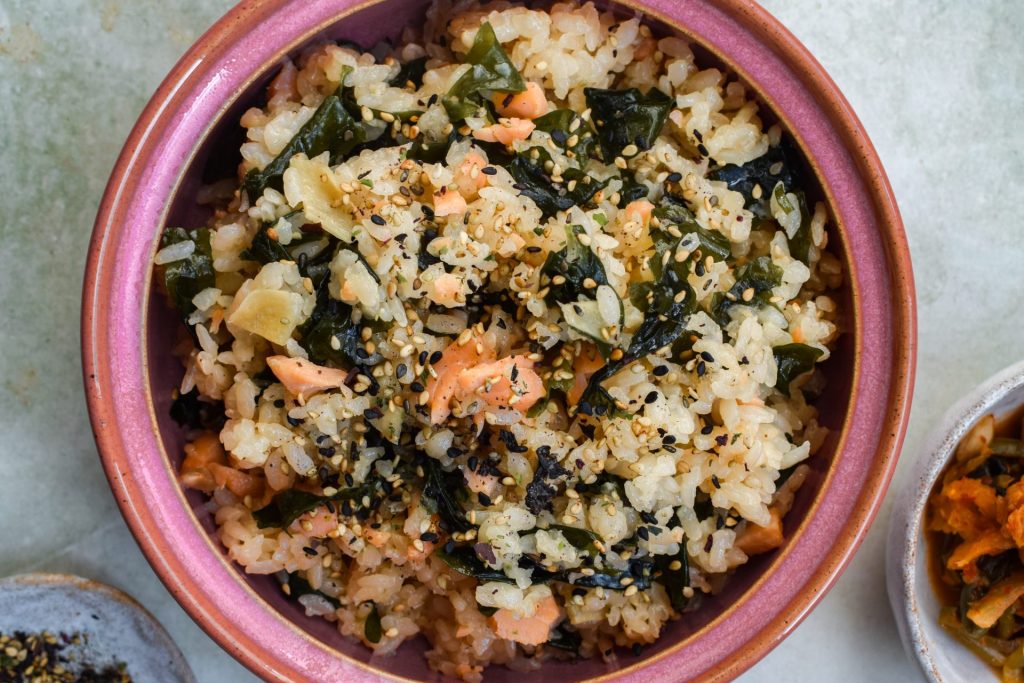
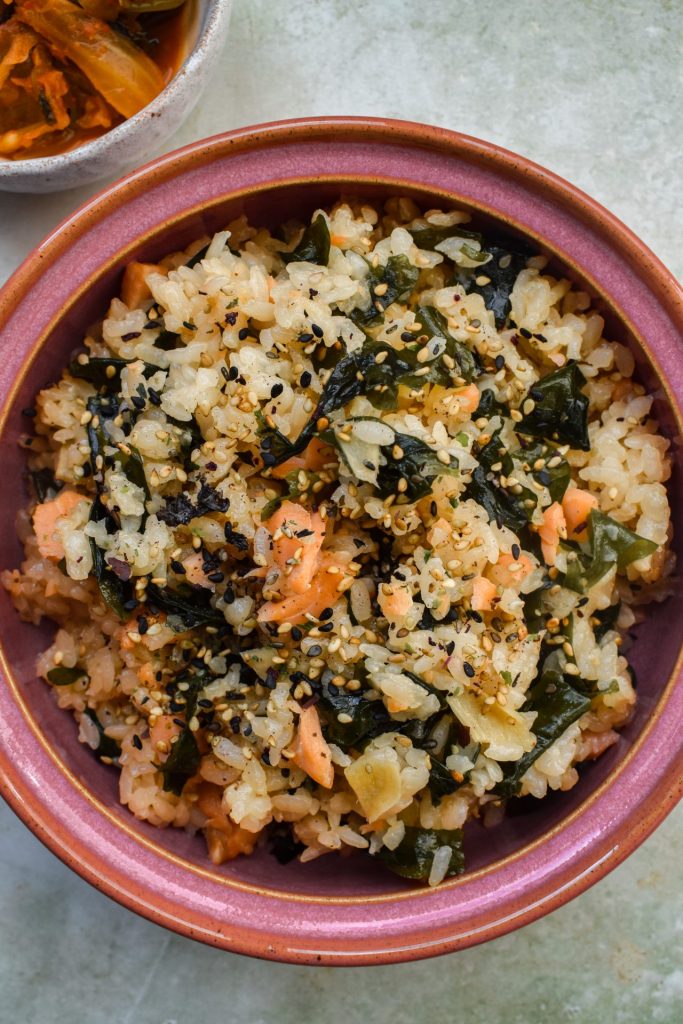
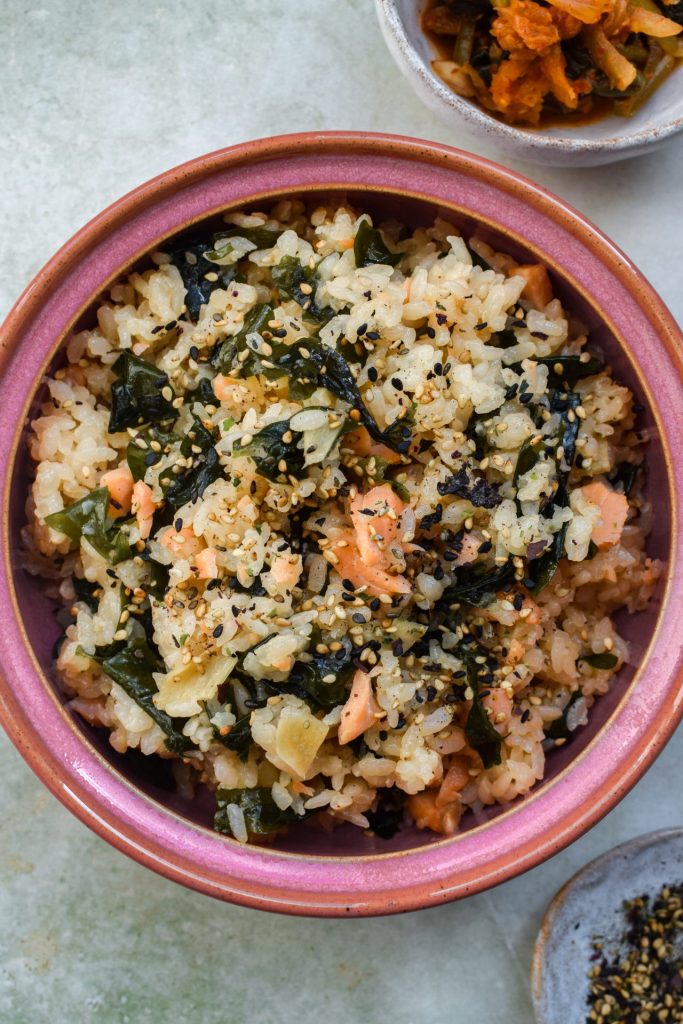
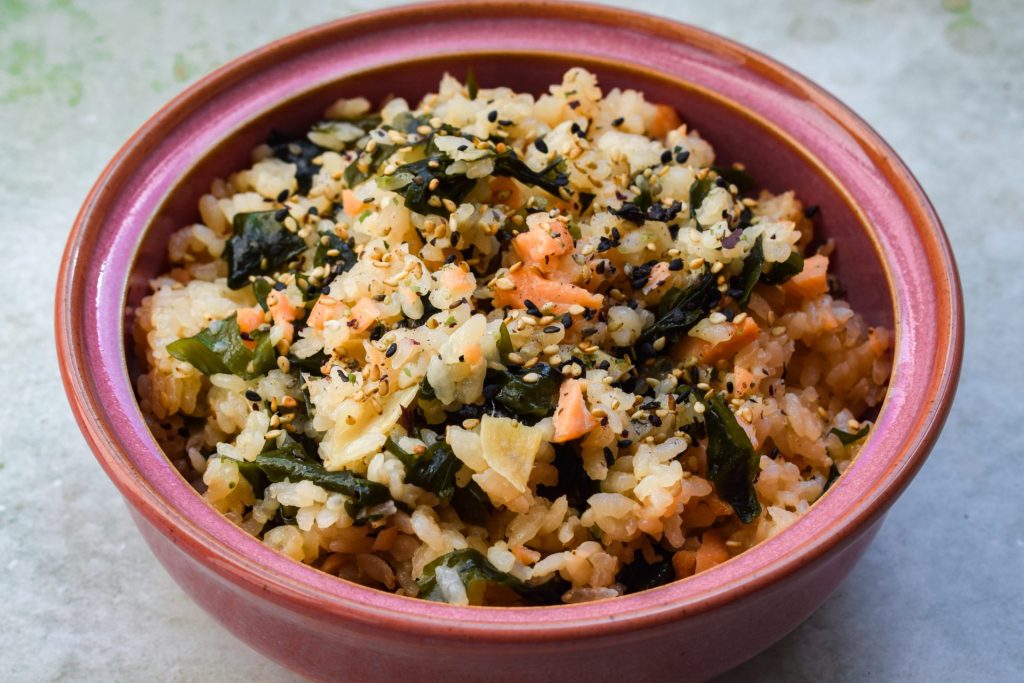
I’ve pretty much lost count of how many times I’ve made this Japanese Smoked Salmon Rice for lunch or dinner over the past couple of months. It’s light, savoury but satisfying, and is a great way of having a little bit of salmon for dinner (making it a bit more affordable) than cooking a whole fillet — I’ve made it using hot smoked salmon and fancy cold smoked salmon, but it is also a great way to cook with those packets of smoked salmon scraps, other than just blitzing them into a pâté.
It started life as a Smoked Salmon and Seaweed Rice recipe I adored on first making from Tim Anderson’s brilliant cookbook Japaneasy: Bowls & Bentoad. I know I’m sharing my version of Tim’s rice below, but that doesn’t mean you don’t also really need to order a copy. Tim’s writing is fresh and snappy, I’ve learned a lot about the art of Japanese bento and rice from it, but there is also a recipe for Spicy Avocado and Tofu Salad on pg 119 that is worth buying the book for alone. Bookmarked for future meals I can’t wait to try the Spicy Pickled Pak Choi on pg 66, the Microwaved Mapo Aubergine on pg 112, and the Steak Bowl with Warishita Butter Sauce on pg 150.
But back to the rice. The main change I’ve made is to soak, rather than just rinse the rice. Using sushi rice, and the same pan on the same burner of my gas hob I found the rice came out perfectly first time, but then was a bit too sticky on the second, and slightly underdone on the third. Soaking the rice for 20 minutes before adding it to the pan I’ve found is the best way to guarantee consistent results every time.
My other changes are a little smaller; making it serves two rather than serves four, leaving the slithers of ginger in the rice rather than fishing them out (I love fresh ginger), switching up the called for finishing sprinkle of aonori flakes (green dried seaweed flakes) for furikake seasoning (which is aonori with some sesame seeds and other types of seaweed mixed in), and changing the hot smoked salmon for cold smoked (but the recipe does say you can use pretty much any boneless, skinless salmon.
As for how to serve it, I usually make it as the centrepiece of a simple Japanese meal, served alongside a bowl of miso soup and whatever pickle or side-vegetable recipe I fancy trying on any given evening (I find the Hokan bowls the brand sent me to try really good for serving these), or else some of my homemade wild garlic kimchee from the giant jar in the fridge. Really, it works with any Japanese-style side dish or Korean banchan, or just by itself cold for lunch the next day, or in a bento.
Finding Japanese Ingredients
This recipe has quite a few specialist Japanese ingredients, but they’re all easy to find, and you’ll be able to use them all in other recipes. Sushi rice, mirin, and cooking sake are available in the Asian section of all big supermarkets. Waitrose sell dashi powder sachets (essential to make a good miso soup — you can also order the brand I buy from Amazonad and furikake seasoning, but you might as well also get that online (Sous Chef is also great for Japanese ingredients) as the wakame dried seaweed is not something I’ve yet found in a British supermarket. This is the brand I likead! You can also add the rest of the pack to your bowls of miso soup.
Frequently Asked Questions
How long do leftovers of this Japanese smoked salmon rice keep?
As with any leftover rice, cool cooked rice as quickly as possible then store it in the fridge to stop harmful bacteria from developing. Then, consume it within three days.
Can I reheat this rice, even though it contains fish?
I’ve actually had very good results microwaving this rice — just make sure it is heated entirly through.
Can I make this salmon rice recipe gluten free?
Yes, just switch the soy sauce for tamari, and check the ingredients of your furikake and dashi powder to make sure they’re compliant.
This Japanese Smoked Salmon Rice is light, savoury but satisfying, and is a great way of having a little bit of salmon for dinner (making it a bit more affordable) than cooking a whole fillet.
Ingredients
Scale
150g white sushi rice
1/2 cm piece fresh ginger
1/2 tbsp toasted white sesame seeds
1 tsp soy sauce (see note)
1 tsp mirin
1 tsp cooking sake
1/4 tsp instant dashi powder
generous pinch of flaky sea salt
dash of toasted sesame oil
1 tbsp dried wakame seaweed
40g smoked salmon, roughly chopped
furikake, to serve
Instructions
Rinse the rice in a sieve under the cold tap until the water running through it runs clear. Transfer to a medium bowl, cover with cold water and leave to stand for 20 minutes.
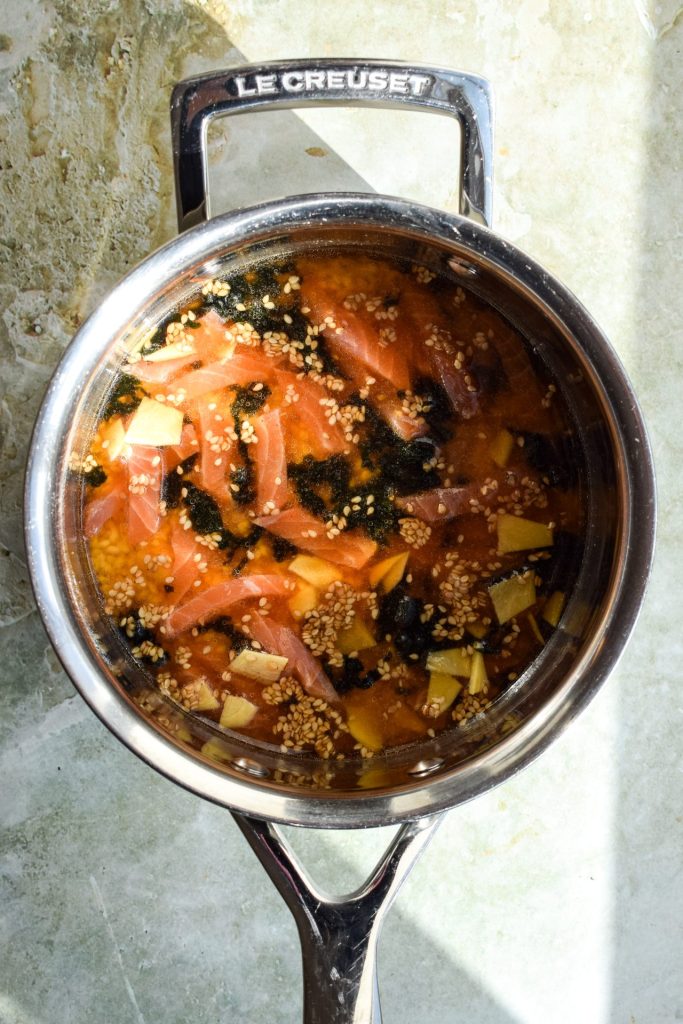
Meanwhile, prepare the rest of the ingredients. Peel and finely slice the ginger, and add it to a medium, lidded, heavy bottomed saucepan along with the sesame seeds, soy sauce, mirin, sake, dashi powder, a pinch of salt, a dash of toasted sesame oil, and 195ml cold water.
Drain the soaked rice and stir it into the pan. Sprinkle the seaweed and salmon pieces on top, and place over a high heat.
Once the liquid has started to boil, add the lid and turn the heat down as low as it will go. Cook for 15 minutes, undisturbed. Then remove the lid, give the rice a gentle stir (making sure to lift any pieces that may have become stuck at the bottom), then return the lid, leaving the rice to rest for 10 minutes.
Serve the rice with furikake sprinkled over each portion.
Notes
While any standard soy sauce will work in this recipe, I’ve found Japanese-style all purpose soy sauce (I buy Kikkoman brand, the one with the red top) or tamari give the best results.
I'm a food writer, professional recipe developer and cookbook author living in the English Countryside. I love creating easy, accessable recipes filled with vibrant world flavours that are manageable on busy weeknights. Simple and delicious dinners, from my kitchen to yours!
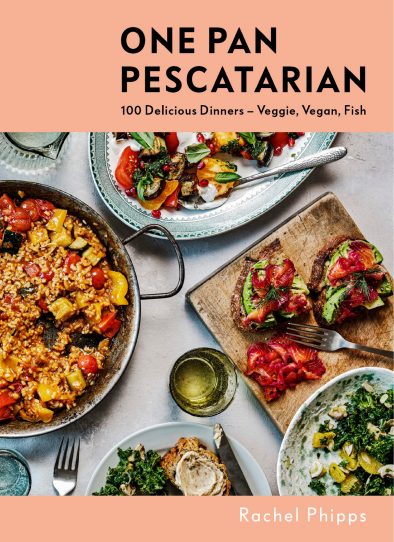
One Pan Pescatarian: 100 Delicious Dinners – Veggie, Vegan, Fish
My second cookbook contains 100 delicious dinner recipes, all of which are either vegetarian, vegan or which celebrate fish and seafood - all cooked in either one pot or one pan.*





Discussion